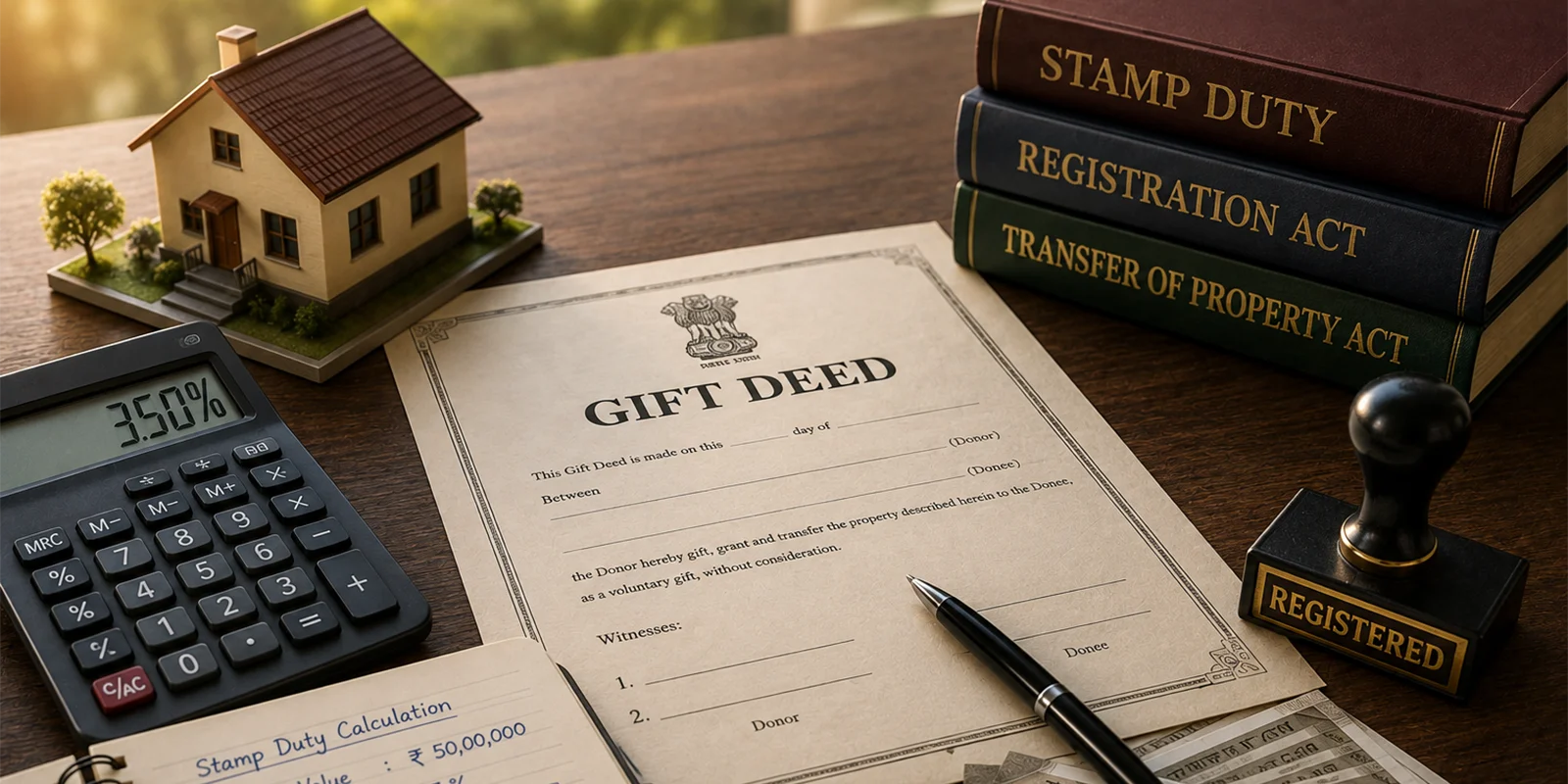
A-Register: Meaning, Importance & How to Check Online

An A-Register in Tamil Nadu records important land details, including survey numbers, classification and extent. Learn how to check and download the extract online and verify land records before purchasing property.
Before you buy a piece of land, you want to be sure that what the seller tells you matches what the government has on record. The survey number, the subdivision, the type of land and the area may sound like small details, but a single wrong digit can cause real trouble when you sell, build or transfer the property later. That is why checking revenue records is a basic part of property verification in Tamil Nadu. There are many useful records; one is the A-Register. It lists the details of every land parcel in a village, so owners and buyers can see how a plot is entered in the revenue department’s books.
However, it does have its limits. A revenue entry is not a substitute for the registered sale deed and does not prove land ownership on its own. You should always compare it with your other property papers before you finalise anything. Plenty of people search for the meaning of an A-Register because they want to know where this record fits in alongside Patta and Chitta. Others simply want a copy without standing in a queue at a government office. Tamil Nadu has made this possible through its official e-Services portal, where you can look up the extract by entering a few location and survey details.
If you type a wrong survey or subdivision number, the portal may show you a different plot altogether, and that can mislead you without you noticing. Knowing how to read this record helps you catch mistakes early, whether you already own land or plan to buy a plot. In this guide, we explain what the extract contains, why it matters, how to check it online and what to do when the details do not match your papers. We also show how it differs from Patta and Chitta, so you know which document to use for which purpose.
Table of Contents
- What Is an A-Register?
- What Details Are Included in an A-Register?
- Why Is an A-Register Important for Landowners?
- How to Check A-Register Details Online?
- What Documents Are Required to Check A-Register Details?
- What Is the Difference Between an A-Register and Patta Chitta?
- What Should You Do If A-Register Details Are Incorrect?
- Conclusion
- Frequently Asked Questions (FAQs)
What Is an A-Register?
Every village has a register maintained by the Tamil Nadu Revenue Department. It lists the land parcels in that village with their survey numbers, subdivisions, classification, extent and assessment. In simple words, it shows how a plot enters the village revenue accounts.
Many people ask for an A-Register Tamil extract. Landowners, buyers and survey professionals use it to check recorded land details. It is mostly used for rural land, and what you see depends on the land type and the records available. Read it along with Patta, Chitta, the Field Measurement Book (FMB) and your sale deed.
What Details Are Included in an A-Register?
The extract has several fields, and the entries can vary. These are the common ones:
| Detail | What it tells you |
|---|---|
| Survey number | Identifies the main land parcel |
| Subdivision number | Identifies a portion of the survey field |
| Old survey number | May show an earlier survey reference |
| Land classification | The recorded category of land |
| Land type | Wet or dry land |
| Soil classification | Recorded soil type and quality |
| Irrigation source | Recorded source of water, where applicable |
| Extent | The recorded land area |
| Assessment | Revenue assessment details |
| Patta number | Links the entry to the Patta record |
| Remarks | Extra entries, where applicable |
The A-Register details listed above help you compare the government entry with your own papers. Look closely at the survey number, subdivision, extent and land classification. If any of them differ, do not brush it off. Check the supporting records and ask the revenue or survey office.
Keep in mind that the A-Register reflects only what the department has recorded, and an old entry may not show recent changes.
Why Is an A-Register Important for Landowners?
Checking A-Register details online is the quickest way for a landowner to see how their land is written down in government accounts. Here is what you get out of it:
- You can confirm the survey and subdivision numbers against your sale deed.
- It tells you whether the land is recorded as wet, dry or something else.
- The recorded area is there too, so you can match it with what your papers say.
- If you are about to buy, it is one more record to look at before you pay.
- Small mismatches show up early, before they turn into bigger problems.
- You can set it beside your Patta, Chitta, FMB sketch and sale deed and see if they tell the same story.
The real value of checking A-Register land records is that you get the government’s own figures to compare with your papers. It will not prove ownership, so you still need a proper title check.
How to Check A-Register Details Online?
You can view the A-Register extract on the Tamil Nadu e-Services portal from either a computer or a phone. Keep your location and survey details ready before you start.
Official Portal: https://eservices.tn.gov.in/eservicesnew/
Follow these steps to check A-Register details online:
- Visit the official Tamil Nadu e-Services portal.
- Select the option to view the A-Register extract.
- Choose the appropriate district, taluk and village.
- Enter the survey number and subdivision number, wherever applicable.
- Review the entered information and submit the request.
- The available A-Register details will be displayed on the screen.
- Check the information and use the available print or save option to keep a copy.
The online A-Register facility saves you an early trip to the revenue office. The portal’s layout may change, so follow what the government site shows today. Before you download the A-Register extract, make sure the survey number, subdivision and village match your documents. A matching village name is not enough.
For another copy of the same A-Register extract, you do not need to repeat the research. Enter the same details, use the print or save option and keep the copy with your property papers. Give every downloaded extract a clear file name with the date, so you can find it later.
What Documents Are Required to Check A-Register Details?
You usually do not need to upload ownership papers just to view the extract. However, keeping the relevant property records ready will help you verify the information more accurately.
The following documents and details are useful:
- Survey number and subdivision number
- District, taluk and village
- Your sale deed, to cross-check the description and extent
- Patta or Chitta, to compare holder and land details
- FMB sketch, for measurements and boundaries
- Older documents, if the survey number has changed
If you are looking for an A-Register extract for official purposes, remember that the portal gives an extract of the revenue record. It is not a separate ownership certificate, so check its purpose before submitting it for any official or legal need.
Once you have downloaded the A-Register extract, lay it next to your sale deed and Patta. Names, extents and survey numbers should line up.
What Is the Difference Between an A-Register and Patta Chitta?
The meaning of an A-Register becomes clearer when you set it beside Patta and Chitta. The three records are related, but each does a different job.
| Feature | A-Register | Patta | Chitta |
|---|---|---|---|
| Main purpose | Land and revenue particulars | Recorded holder and land details | Ownership-related particulars |
| What it shows | Survey details, classification, extent, assessment | Patta number, holder, land details | Holder details and linked land |
| Best used for | Checking how land is classified and recorded | Checking the recorded holder | Cross-checking ownership particulars |
You may also see the phrase A-Register for land. It points to the village revenue record used to check land details, not a paper that proves ownership.
Think of the A-Register as the record that shows how the land is classified and measured, while Patta shows who holds it.
Also Read: Mutation of Property: Meaning, Process, Documents & Fees in India
What Should You Do If A-Register Details Are Incorrect?
If the extract does not match your sale deed, Patta or other records, do not ignore it. First find out exactly which detail is wrong. It could be a spelling mistake, a wrong subdivision number, an incorrect extent or an old entry.
If you notice an error, follow these steps:
- Compare the extract with your sale deed, Patta, Chitta and FMB sketch.
- Note the exact survey number, subdivision or extent that is wrong.
- Visit the Survey and Land Records office or the Taluk office for directions.
- Submit a correction request with the documents they ask for.
- Keep the acknowledgement number and follow up on the status.
Many people carry the A-Register Tamil extract when they visit the Taluk office, since it shows the entry they want corrected. After the correction is processed, look up the A-Register online again to confirm that the entry has been fixed.
Then make a fresh download of the A-Register extract and keep it with your acknowledgement slip. For ownership or boundary disputes, you may need a lawyer or surveyor. A corrected entry does not settle a title dispute.
Also Read: How to Verify Land Ownership Before Buying: A Buyer’s Guide
Conclusion
Checking revenue records is a sensible step before buying or selling land in Tamil Nadu. A look at an A-Register entry shows how a property is recorded, including its survey details, classification and extent. It also helps you spot errors early.
Still, no single revenue record is complete proof of ownership. Review the sale deed, title history, Patta, Chitta, FMB sketch and approvals as part of a wider check.
After your checks are done, you may wonder how to register a land purchase. A property lawyer and the sub-registrar's office can guide you through it.
If you are looking at plots in Thirumazhisai, comparing the survey details with the revenue records is one useful part of due diligence.
Buyers considering plots for sale in Redhills should likewise compare the property papers with the government records before deciding.
Frequently Asked Questions (FAQs)
Recent Blogs
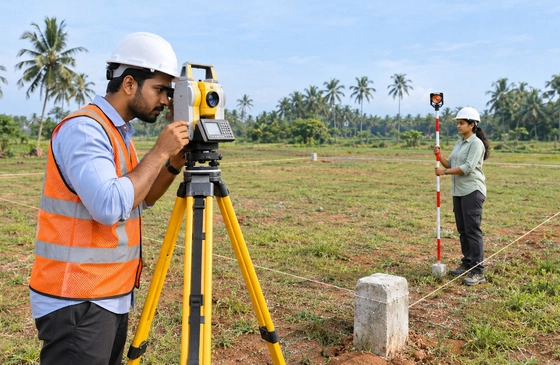




Blog Categories
Plots by Locations
- Plots for Sale in Chennai
- Plots for Sale in Thirumazhisai
- Plots for Sale in Madhavaram
- Plots for Sale in Manali New Town
- Plots for Sale in Mudichur
- Plots for Sale in Naduveerapattu
- Plots for Sale in Poonamallee
- Plots for Sale in ECR
- Plots for Sale in Kundrathur
- Plots for Sale in Mangadu
- Plots for Sale in Manimangalam
- Plots for Sale in Maraimalai Nagar
- Plots for Sale in Minjur
- Plots for Sale in Moolakadai
- Plots for Sale in Pallavaram
- Plots for Sale in Perambur
- Plots for Sale in Redhills
- Plots for Sale in Tambaram
- Plots for Sale in Ponneri
- Plots for Sale in Thandalam
- Plots for Sale in Perungalathur
- Plots for Sale in Vandalur
- Plots for Sale in Tiruvottiyur
- Plots for Sale in Tondiarpet
- Plots for Sale in Villivakkam