
Building Plan Approval in Tamil Nadu: Process, Documents & Rules

Building plan approval in Tamil Nadu involves checking the applicable rules, preparing property documents and building drawings, applying through the appropriate authority, and obtaining permission before construction.
Before you lay a single brick, you need permission to build. Most people get excited about the design and the layout, forget this part, and then the delays start. Whether you want a small independent house or something bigger, it pays to know the rules first. You save time, money and a fair bit of legal headache. Getting house building permission is the first thing on the list.
In Tamil Nadu, the rules come from the Tamil Nadu Combined Development and Building Rules, 2019, plus later amendments and some local requirements. Who looks at your application depends on where the plot is, what you’re building and which approval route applies. In Chennai, it could be the Greater Chennai Corporation or the Chennai Metropolitan Development Authority (CMDA). Other places may come under the Directorate of Town and Country Planning (DTCP) or the local body.
Getting building plan approval takes more than handing over a drawing. Your plan has to follow the rules on land use, plot size, road access, setbacks, height and floor space. You’ll also need ownership papers, survey records and drawings from a qualified professional. What exactly is asked for changes from one property to the next.
Just bought a plot, or planning to? Then this is a good time to read up. A lot of buyers think an approved layout means they can build whatever they like. It doesn’t. Layout approval and permission to build a house are two separate things.
This guide explains it step by step. We start with finding the right authority and collecting documents. Then we move to applying, the problems people run into, and checking your approval before work starts. You’ll also find answers on fees, timelines and applying online.
Table of Contents
- What Is Building Plan Approval in Tamil Nadu?
- What Types of Building Permissions Are Required in Tamil Nadu?
- How to Apply for Building Plan Approval Online in Tamil Nadu?
- What Documents Are Required for Building Plan Approval?
- What Are the Common Issues With Building Plan Approval in Tamil Nadu?
- Why Is Building Plan Approval Important for Land Buyers in Tamil Nadu?
- Conclusion
- Frequently Asked Questions (FAQs)
What Is Building Plan Approval in Tamil Nadu?
Building plan approval is the official permission you get from the planning authority or local body to carry out a construction project. In simple words, someone has checked your plan against the rules for your area and found it acceptable.
You normally submit a site plan, building drawings, property details and a few supporting papers. The authority goes through them and checks whether the proposal fits the rules for that location and type of building.
Take a simple case. You own a residential plot and want a house on it. The design has to meet the rules on setbacks, height, access, structural safety and what the land is allowed to be used for.
Once you have an approved plan, you:
- Know the limits for your property
- Can be sure the design follows the planning rules
- Are less likely to face action for unauthorised construction
- Have proper records when you sell later
- Can plan the build knowing what’s allowed
The applicable requirements depend on the property, proposed building and authority handling the application. Confirm the current rules before proceeding.
What Types of Building Permissions Are Required in Tamil Nadu?
The permission you need depends on the property, the type of construction and the location. There are five you should know about.
- Planning permission: It is an indication that the project complies with local land-use regulations as to what can be done with the land and what can be constructed on the land.
- Building permit: This lets you construct according to the approved proposal. Depending on the project, you might need planning permission as well as a building permit.
- Residential building permission: Houses and other homes come under residential permits, and the rules vary with size, height, location and category. Some eligible residential buildings get a simpler procedure under the current rules.
- Special permissions or clearances: Some projects need extra clearances, for example because of the location, height, use or nearness to restricted areas. The authority can tell you what applies.
- Revised approval: Planning big changes to an approved design? You also may need to get the revised plan approved before you can make it.
The exact building permission process varies by authority and project category. Do not assume that one approval automatically covers every permission or clearance required for your construction.
Also Read: What Is CMDA Approval and Why Is It Required?
How to Apply for Building Plan Approval Online in Tamil Nadu?
Tamil Nadu has a Single Window Portal that lets you go for online building plan approval. The application route and online services available may depend on the property's location, the authority concerned and the type of building.
This is how the building permission process usually goes:
- Find the responsible authority: Check whether your property falls under CMDA, DTCP, Greater Chennai Corporation or some other local body.
- Consult a qualified professional: Depending on your application, you’ll need a registered architect, engineer or other authorised person.
- Prepare the drawings: Your site plan and proposed drawings, basically your building permission plan, should follow the applicable requirements.
- Gather your documents: Keep the ownership, survey and other property records ready before you apply.
- Complete the online application: Enter the property details, construction information and other particulars on the right portal.
- Upload the supporting documents: Ensure that the files are complete, readable and consistent with the details entered in the application.
- Pay the applicable fees: The portal shows the charges for building plan approval for your application. Pay using any of the options given.
- Respond to queries: The authority may request additional documents, clarifications, inspections or modifications, depending on the application.
- Track your application: Monitor its status and submit any additional information requested by the authority.
- Obtain approval before starting construction: Read the conditions carefully and keep your construction permission safe. Build only what the plan allows.
The online building plan approval facility makes it easier to apply and track your file. But applying isn’t the same as being approved. Your proposal still has to meet the requirements.
For properties within the relevant Chennai planning jurisdiction, refer to the official CMDA website and the applicable government portal for current application procedures and document requirements. It’s the place to look for CMDA building plan approval details and always confirm which authority is responsible for your specific property before applying.
What Documents Are Required for Building Plan Approval?
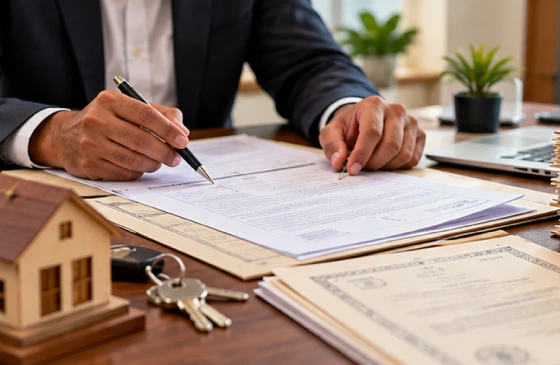
What you need for building plan approval depends on the property, the building category and the authority. Use this table as a starting checklist.
| Document | Why it may be required |
|---|---|
| Ownership or title documents | To establish your legal interest in the property |
| Patta or other applicable land records | To support the land and ownership details |
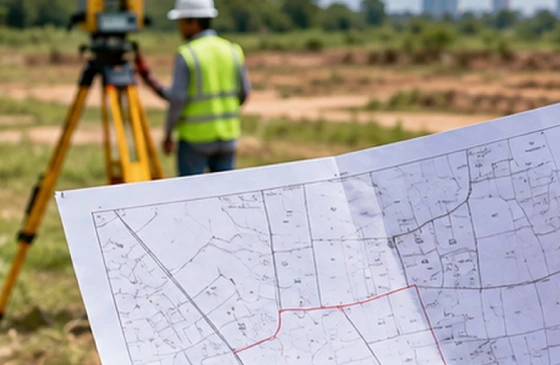
| Field Measurement Book (FMB) sketch | To verify survey and boundary information |
| Site plan | To show the plot, access and proposed building location |
| Building drawings | To explain the layout, dimensions, and design |
| Abutting road sketch | To show the road adjoining the property |
| Legal opinion or supporting records | Where the authority requires them |
| Previously approved plan | For revisions, additions, or alterations, where applicable |
Depending on the case, additional records or clearances may also be required. The table is a general checklist, not a definitive list for every application.
CMDA’s online guidance mentions the FMB, legal opinion, combined FMB, patta or other land records and an abutting road sketch, in the cases where they apply. Requirements change, so always confirm the current list for your application.
Before uploading, compare the names, survey numbers and plot dimensions across all your documents. They should be identical everywhere. Even small mismatches often bring a query.
Also Read: What Are Title Deeds of Property? Registration, Types & How to Get One
What Are the Common Issues With Building Plan Approval in Tamil Nadu?
Applications get held up for all sorts of reasons. These five come up the most.
- Incomplete documents: Missing records or unclear copies can prevent the authority from completing its review.
- Incorrect measurements: If survey records, site measurements and building drawings do not match, you may be asked for clarification.
- Non-compliant designs: Setbacks, access, height or other design elements may not meet the applicable requirements.
- Land-use issues: The proposed construction may not match the permitted use of the land.
- Unauthorised changes: Changes made to an approved plan without the required permission may result in non-compliance.
Ask your architect or authorised professional to go through everything before you submit. If the authority raises an objection, find out why and send the correction the proper way.
Avoid beginning construction merely because you have submitted an application. Wait until the necessary permission has been granted and follow the conditions attached to the building approval.
Why Is Building Plan Approval Important for Land Buyers in Tamil Nadu?
Buying land is only one step in building a home. Before you buy, find out whether the plot suits what you want to build and which permissions you’ll need.
There are five good reasons to look into the building plan approval position early:
- Understand what you can build: Plot size, road access, permitted land use and local rules affect the type of house you can construct.
- Verify the property documents: Check the title, survey details, layout approval and other relevant records before paying an advance.
- Plan your budget: Account for professional fees, applicable approval charges and construction costs in addition to the land price.
- Reduce unexpected issues: Identifying document or design problems early may help prevent avoidable delays.
- Maintain records for resale: Relevant property documents and compliance records may be important when selling or transferring the property.
Plot approval and permission to build aren’t the same thing. An approved layout doesn’t cover your own house design. If you’re buying in a CMDA-regulated area, check the plot’s approval first and then the requirements for your house. Those depend on what you’re proposing and who processes it.
Planning to build? Confirm the permission and any other clearances before work starts. Keep copies of the approved drawings, receipts, your building permit certificate and every official letter.
Also Read: 6 Factors to Consider Before Investing in Land or Plot
Conclusion
Building is much easier when you understand the building plan approval process beforehand. Before beginning, check for the latest rules, fees, and requirements for the permit for your site.
The process of obtaining building approval has its own share of stages, including finding the appropriate agency, compiling documentation, filing building plans, and addressing questions.
Get a professional, go through the official route and follow the terms of your approval. Verify current requirements and applicable charges with the responsible authority before construction begins. Careful preparation can help reduce avoidable delays and compliance issues.
Frequently Asked Questions (FAQs)
Recent Blogs



Plots by Locations
- Plots for Sale in Chennai
- Plots for Sale in Thirumazhisai
- Plots for Sale in Madhavaram
- Plots for Sale in Manali New Town
- Plots for Sale in Mudichur
- Plots for Sale in Naduveerapattu
- Plots for Sale in Poonamallee
- Plots for Sale in ECR
- Plots for Sale in Kundrathur
- Plots for Sale in Mangadu
- Plots for Sale in Manimangalam
- Plots for Sale in Maraimalai Nagar
- Plots for Sale in Minjur
- Plots for Sale in Moolakadai
- Plots for Sale in Pallavaram
- Plots for Sale in Perambur
- Plots for Sale in Redhills
- Plots for Sale in Tambaram
- Plots for Sale in Ponneri
- Plots for Sale in Thandalam
- Plots for Sale in Perungalathur
- Plots for Sale in Vandalur
- Plots for Sale in Tiruvottiyur
- Plots for Sale in Tondiarpet
- Plots for Sale in Villivakkam