
Adangal in Tamil Nadu: Meaning, Online Check & Download Process
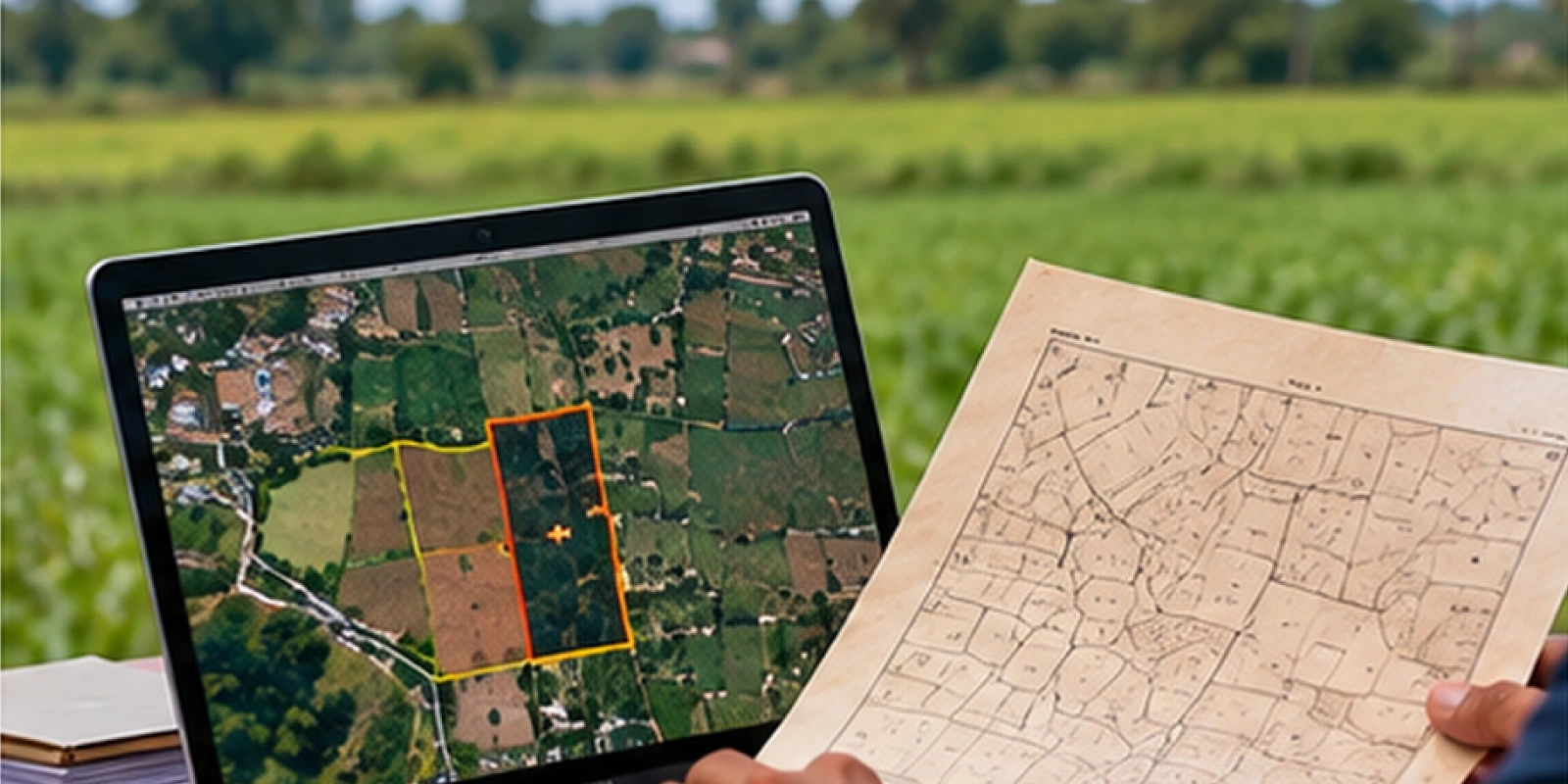
Adangal in Tamil Nadu is a revenue record that contains agricultural land and cultivation details. Learn the Adangal meaning, how to check records online, download an extract and verify land details before buying property.
Buying land in Tamil Nadu means going through a lot of papers. Most buyers look at the sale deed, Patta, Chitta and Encumbrance Certificate, and that’s fair. But there are other revenue records that tell you more about the land. One such record is Adangal. It mostly deals with agricultural land and is kept by the Revenue Department. If you’re a farmer, a landowner or a buyer, knowing what it holds and how to see it helps you decide better.
The Adangal meaning becomes clear once you see what it is used for. It’s a village-level land register kept by the Village Administrative Officer (VAO). It notes down what is grown on the land in each season, where the water comes from and other cultivation details. The government also uses it for agricultural statistics and to work out crop damage after floods, droughts or pest attacks. Tamil Nadu has now moved these records online so they’re easier to keep and to look up.
If you’re reading up on Adangal in Tamil Nadu, remember one thing. This record is not meant to prove who owns the land. It tells you how the land is being used for farming. So don’t treat it as the only paper you check before buying. You still need the title documents, Patta, survey details and other records.
You can search for available records online using details such as the district, taluk, village, survey number and subdivision number. The information displayed and the steps you need to follow may differ depending on the service and record you require.
For prospective land buyers, checking an Adangal document can provide useful background information about agricultural activity associated with a parcel. However, it does not replace legal due diligence or establish that land is approved for residential or other non-agricultural use. You should also verify the registered title, survey boundaries, applicable land-use restrictions and relevant approvals.
Table of Contents
- What Is Adangal in Tamil Nadu?
- What Details Are Included in an Adangal Record?
- How to Check Adangal Online in Tamil Nadu?
- How to Download an Adangal Extract Online?
- What Documents Are Required to Access Adangal Records?
- What Is the Difference Between Adangal and Patta?
- Why Is Adangal Important When Verifying Land Records?
- Conclusion
- Frequently Asked Questions (FAQs)
What Is Adangal in Tamil Nadu?
The Adangal meaning in Tamil is generally explained as a village revenue record containing details about agricultural land and cultivation. The Village Administrative Officer (VAO) maintains the relevant records, with entries relating to agricultural activities recorded as applicable.
The state has introduced e-Adangal services to digitise parts of the process. Depending on the service available, farmers may be able to submit cultivation-related information digitally, which can then be checked through the relevant administrative process.
Here are five things worth knowing:
- Adangal mainly records farming and cultivation details.
- It can show which crops were grown during different seasons.
- It may include information about irrigation sources and crop yield.
- It can support agricultural statistics and crop damage assessment.
- Digital services can make available records easier to access and review.
Also Read: What Are Title Deeds of Property? Registration, Types & How to Get One
What Details Are Included in an Adangal Record?
The information in an Adangal document is mostly related to cultivation and farming activity. The exact entries depend on the land and the record available.
| Detail | What It Tells You |
|---|---|
| Village and land identification | Where the land is located |
| Survey number | Which surveyed parcel is being referenced |
| Cultivated crops | Crops recorded for the relevant season |
| Irrigation source | The recorded source of water for cultivation |
| Crop yield | The yield figures, if available |
| Seasonal cultivation | Cultivation activity recorded across seasons |
Farmers and revenue officials can use these details to understand how a particular plot is being farmed. However, if you want to check ownership or legal status, review the record alongside the other relevant documents.
Before relying on an Adangal extract, check the village, survey number, subdivision number and relevant period. If the details do not match your other records, seek clarification from the appropriate revenue office.
How to Check Adangal Online in Tamil Nadu?
Tamil Nadu provides online land record services through its official government portals. The availability of an Adangal report and the exact steps to access it should be confirmed on the current official service.
Here’s how to check an available record:
- Open the relevant official Tamil Nadu land records or e-Adangal service. Use a government website rather than an unofficial portal.
- Select the district from the available options.
- Choose the taluk in which the land is located.
- Select the village. Make sure you choose the correct revenue village, which may differ from the commonly used local name.
- Enter the survey number exactly as it appears in your existing land records.
- Enter the subdivision number, if applicable.
- Submit the details and follow the instructions displayed on the portal.
If your details are right and the record exists, you’ll see the information on screen. If nothing comes up, recheck the survey and subdivision numbers and try once more.
If the record is available and the details are correct, the portal may display the relevant information. If nothing appears, check the survey and subdivision numbers, confirm the village selection and try again.
Checking Adangal online can save a visit to the village office when the required record is available digitally. However, online access to an Adangal record does not mean every land-related document can be viewed or downloaded through the same service. Use the appropriate official service for Patta, Chitta, survey records or other documents.
How to Download an Adangal Extract Online?
If you want a copy for your records, first check whether the extract you need is available through the official service. The steps can differ depending on whether you are viewing a report or requesting a formally issued document.
Here is a simple checklist for an Adangal download:
- Open the relevant official report page.
- Select the correct district, taluk and village.
- Enter the survey number and subdivision number, where applicable.
- Retrieve the available record.
- Check that the record corresponds to the correct parcel of land.
- If a download or print option is provided, save or print the available record.
The official report page is the best place to begin. If you need an official extract for administrative purposes, confirm whether the online report is sufficient or whether a separately issued extract is required.
People often search for e-Adangal online when they want a digital copy. Before relying on a downloaded record, verify the details and check with the organisation requesting it to confirm whether that format is acceptable.
If you cannot access the record online, contact the Village Administrative Officer (VAO) or the relevant revenue office. They can guide you on record availability and the applicable procedure for obtaining an extract.
What Documents Are Required to Access Adangal Records?
For a basic online search, the service may ask for the location of the land and its survey details. You generally do not need to upload papers simply to search for an available public record, although the requirements of a particular service may differ. That’s why searching Adangal online is quite simple.
Keep these details ready:
- The district, taluk and village name.
- The survey number and subdivision number, if there is one.
- Your existing land records, to confirm the survey details are right.
- Ownership or supporting papers, in case you need help from the revenue office.
If you require an Adangal certificate or a formally issued extract for a specific purpose, ask the relevant office about the current application process and supporting documents.
The requirements can vary depending on what you want to do. Viewing an available record, requesting a correction and obtaining an extract for official use are different processes. Avoid sharing property documents, survey details or personal information on unofficial websites. Use authorised government services and verify the identity of anyone handling your documents.
What Is the Difference Between Adangal and Patta?
Both records help when you’re checking land details, but they serve different purposes.
| Record | Main Purpose |
|---|---|
| Adangal | Records agricultural and cultivation-related details, such as crops and irrigation information. |
| Patta | Contains revenue records associated with the recorded holder and the land. |
| Chitta | Historically provided land classification and ownership-related information; relevant details are now available through Tamil Nadu's land record services. |
The records available to you depend on the land, the applicable service and the information maintained by the authorities. Through the state's official land record services, users may be able to access Patta, Chitta, Field Measurement Book (FMB) and A-Register information, depending on the service and land category.
An Adangal extract is not a replacement for Patta or a registered sale deed. Each record has its own purpose, and they should be reviewed together when verifying land details.
Why Is Adangal Important When Verifying Land Records?
Looking at revenue records helps you understand how land has been recorded and used. If you are considering agricultural land, or land that was previously cultivated, these details can provide useful background.
Here are five reasons to review the record:
- Understand land use: The crops and cultivation details recorded for a particular period can help explain the land's agricultural use.
- Identify the parcel: Village and survey details help you confirm that you are reviewing the correct land.
- Review agricultural information: Cultivation details may be relevant to agricultural matters and crop damage assessments.
- Cross-check records: Compare the Adangal with Patta, survey documents and the registered sale deed to identify discrepancies.
- Know what to clarify: If information is missing or inconsistent, contact the VAO or relevant revenue office before proceeding.
When you check land Adangal details before buying property, remember that no single revenue record establishes every aspect of a property's legal status. Verify the ownership documents, survey boundaries, access rights, applicable land-use rules and required approvals as well.
If you are considering a residential plot, confirm that the land's permitted use and applicable layout approvals support your intended purpose. An Adangal record alone does not establish residential approval or guarantee clear ownership.
Also Read: DTCP Approved Plots: Meaning, Benefits, Approval Process & How to Check
Conclusion
Understanding Adangal helps landowners, farmers and buyers make better use of Tamil Nadu's revenue records. It provides information about agricultural activity, including crops and irrigation details where recorded, while available online services can make relevant records easier to access.
If you need an Adangal download, begin with the appropriate official portal and keep the village and survey details ready. If the record is unavailable online or you require a formally issued copy, contact the VAO or the relevant revenue office.
When buying property, review revenue records alongside Patta, the registered sale deed, survey documents and other relevant records. Checking these documents together can help you identify inconsistencies and understand the property's recorded details before making a decision.
Also Read: Encumbrance Certificate (EC): How to Check & Apply Online in Tamil Nadu
Frequently Asked Questions (FAQs)
Recent Blogs



Plots by Locations
- Plots for Sale in Chennai
- Plots for Sale in Thirumazhisai
- Plots for Sale in Madhavaram
- Plots for Sale in Manali New Town
- Plots for Sale in Mudichur
- Plots for Sale in Naduveerapattu
- Plots for Sale in Poonamallee
- Plots for Sale in ECR
- Plots for Sale in Kundrathur
- Plots for Sale in Mangadu
- Plots for Sale in Manimangalam
- Plots for Sale in Maraimalai Nagar
- Plots for Sale in Minjur
- Plots for Sale in Moolakadai
- Plots for Sale in Pallavaram
- Plots for Sale in Perambur
- Plots for Sale in Redhills
- Plots for Sale in Tambaram
- Plots for Sale in Ponneri
- Plots for Sale in Thandalam
- Plots for Sale in Perungalathur
- Plots for Sale in Vandalur
- Plots for Sale in Tiruvottiyur
- Plots for Sale in Tondiarpet
- Plots for Sale in Villivakkam